



Evidence mounts of Japan's wartime atrocities
Archives: Biological warfare proves to be ‘state crime’









Fresh evidence shows that the cultivation of pathogenic bacteria by Unit 731, the notorious biological warfare unit of the Japanese Imperial Army operating during World War II, was not for the production of vaccines, but for the mass destruction of human life.
The new evidence is part of a collection of declassified archive documents detailing Soviet interrogations of Unit 731 members. The documents were released on Saturday by the National Archives Administration of China.
The archives, provided by Russia, included interrogation records of Unit 731 members, investigation reports on their crimes, and internal Soviet correspondence spanning from May 1939 to December 1950, according to the administration.
The archives primarily focus on the Khabarovsk War Crimes Trials, which were Soviet hearings of 12 members of Unit 731 charged with preparing and implementing biological warfare and conducting human experimentation during World War II. For the first time, the investigation and interrogation processes before the trial were disclosed.
During the Chinese People's War of Resistance Against Japanese Aggression (1931-45), the Japanese invading forces established a biological warfare network across multiple Asian countries, with Unit 731 located in Harbin, a city in Northeast China's Heilongjiang province.
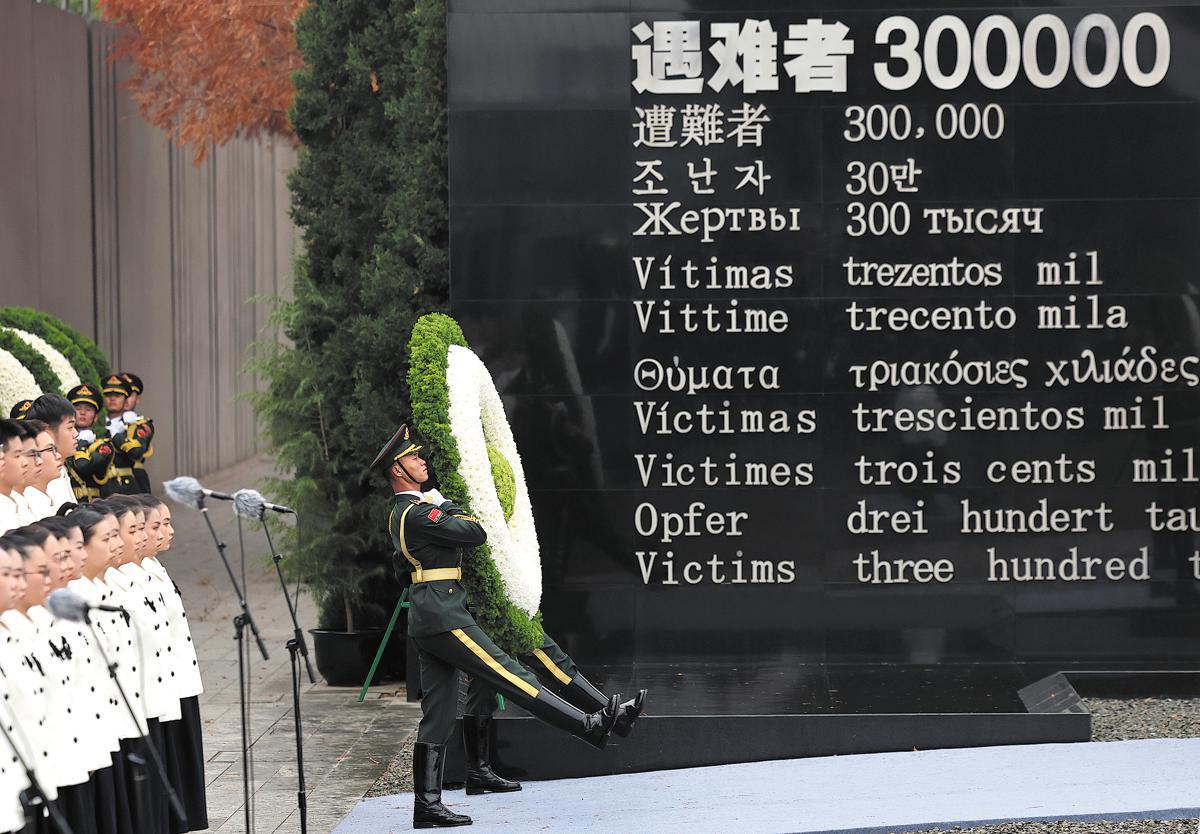
Under the program, experiments were conducted on civilians to develop chemical and biological weapons. At least 3,000 people were killed by Unit 731, and more than 300,000 people in China were killed by the Japanese Army's biological weapons, according to online government services portal China Services Info.


- China-Egypt archaeological dialogue held at Liangzhu ruins
- China's distant-water squid fishing sees intelligent upgrade
- Beijing probes street vendor after duck meat revelation sparks backlash
- China extradites fugitive smuggling organizer
- China to further improve citizens' civil, political rights protection mechanisms in next five years
- China to strengthen environmental rights protection





