



China begins trial of faster, more detailed AI dust forecasting system









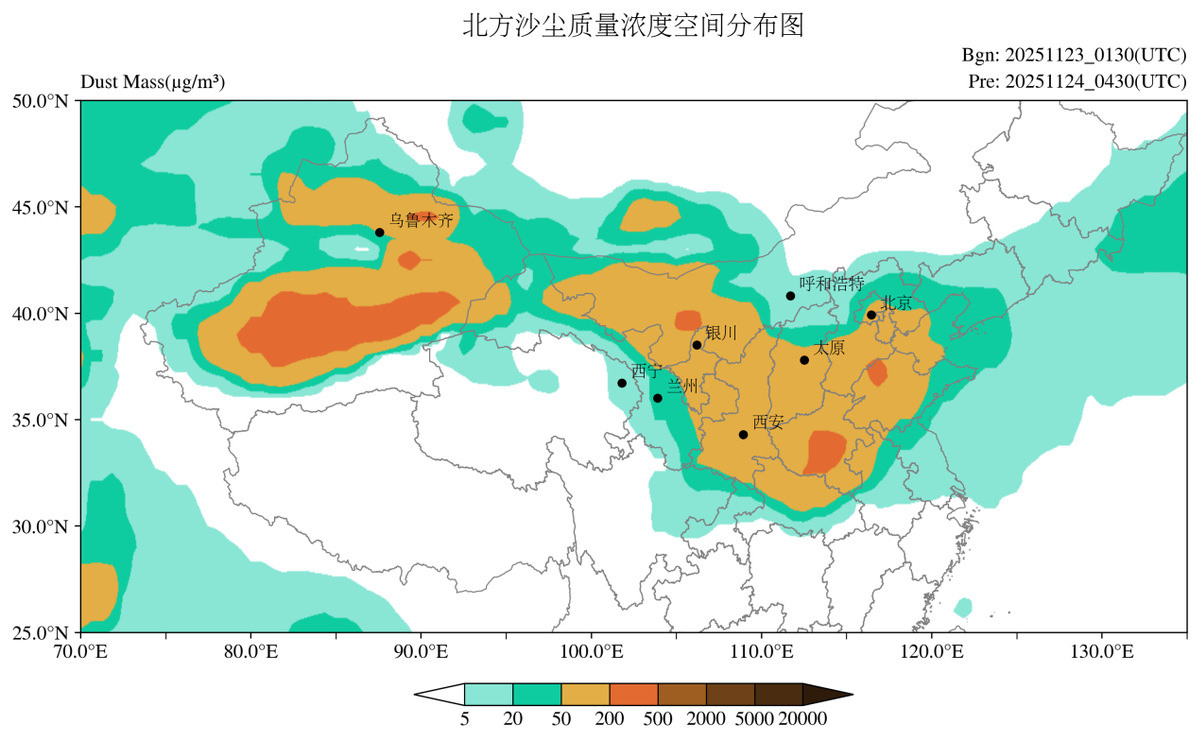
Yue Ping, a researcher at the institute, noted that spring remains the most active period for dust outbreaks because exposed soil and frequent cold-air activity form a potent mix. Summer and autumn bring weaker events driven mainly by long-range transport, which are still difficult to forecast.
The system is intended to assist with both situations by providing higher-resolution optical and mass concentration data for multiple aerosol types, along with dozens of environmental indicators refreshed throughout the day.
Meteorologists say the project could offer a template for international cooperation in regions where dust storms regularly cross borders. Lower hardware demands may help agencies in Central Asia, North Africa, and the Middle East adopt similar tools for early-warning work.


- Gaokao math question turns Ningxia pagodas into online sensation
- China launches new communication technology test satellite
- Shenshan village transforms from poverty to tourism success
- China-Egypt archaeological dialogue held at Liangzhu ruins
- China's distant-water squid fishing sees intelligent upgrade
- Beijing probes street vendor after duck meat revelation sparks backlash





