



COVID-19 diagnosis by antibodies only applies to unvaccinated population: NHC









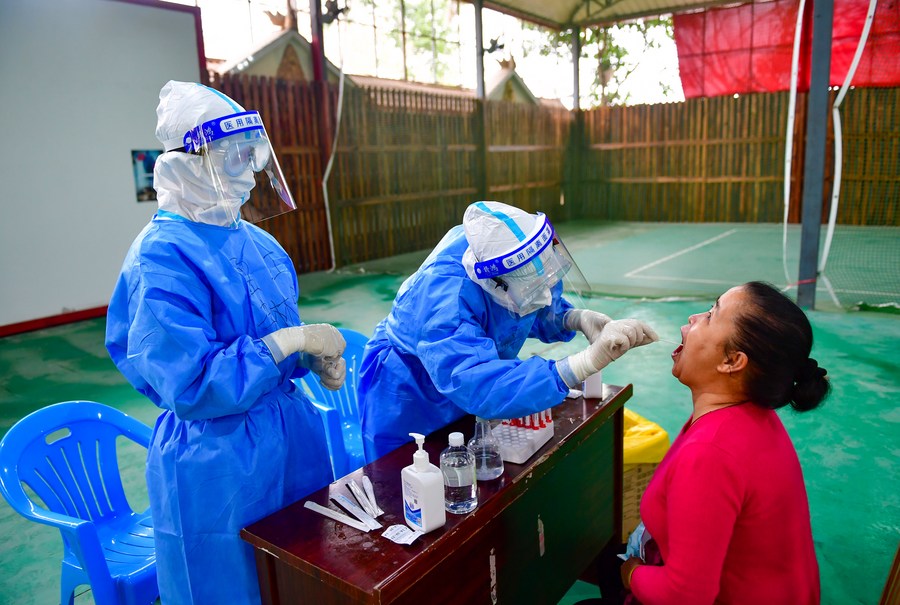
BEIJING -- China's National Health Commission (NHC) has updated its rules on the diagnosis of COVID-19 cases, stating that diagnosis based on the presence of antibodies only applies to those who have not yet been vaccinated.
The change came on Thursday as part of the NHC's updated diagnosis and treatment plan for COVID-19.
The eighth version of the plan identifies positive nucleic acid testing as the primary criterion for diagnosis, requiring diagnosis to be made on the basis of a comprehensive analysis of epidemiological history, clinical manifestations and laboratory test results.
In principle, for those who have been vaccinated and those who had been infected with the virus previously, antibodies should not be used as the basis for diagnosis, according to the updated plan.
Highlighting the importance of vaccination for COVID-19 prevention, the plan points out that vaccination is an effective measure for preventing infection and reducing the rates of morbidity and severe illness, calling on people who meet the inoculation requirements to take the vaccine shots.
More than 179.21 million doses of COVID-19 vaccine had been administered across China as of Wednesday, according to data released by the NHC.


- Locajoy Theme Park throws fruit feast birthday for red pandas
- Students from five nations play soccer friendly in Ningxia
- Scientists funcover how giant deep-sea isopods survive years without food
- Lhasa's record-holding boat tour narrates city's historical legacy
- Telecom and online fraud cases fall for eight consecutive months
- China issues rainstorm alert as heavy downpours forecast in southern regions





