



Prosperity comes with pencils and rice









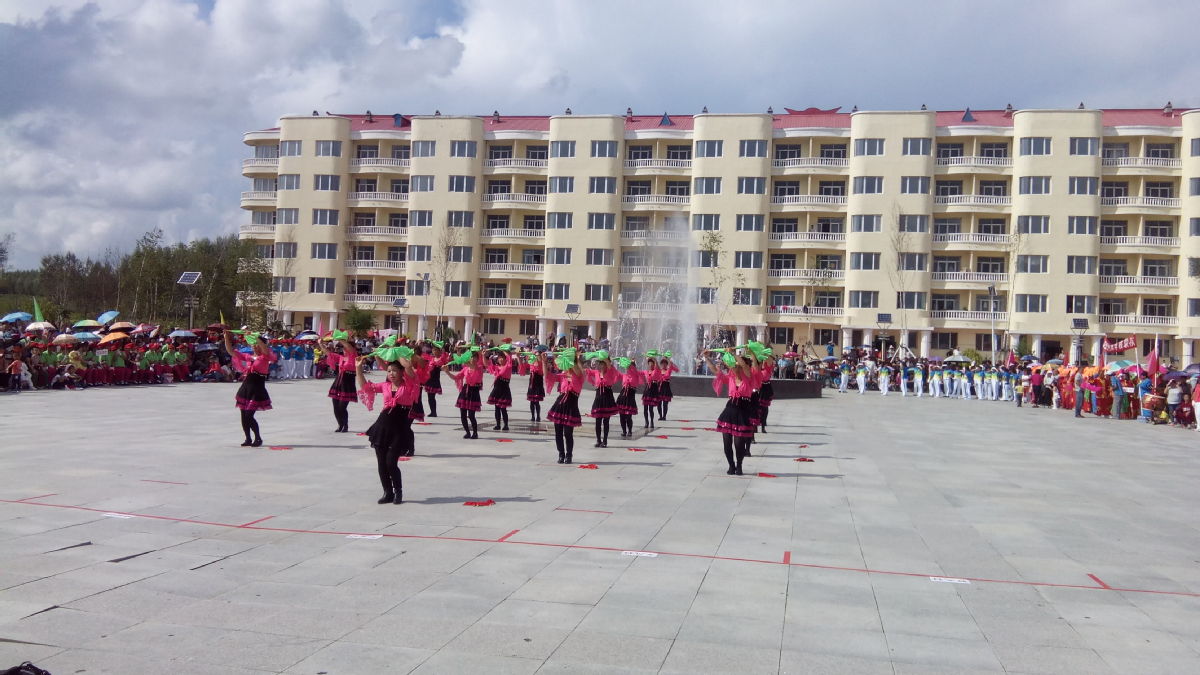
Living in a 100-square-meter apartment in Yuanbao village of Shangzhi, Heilongjiang province, Gu Diansheng, 65, and his wife have a comfortable and relaxed life as they enter their senior years.
"All varieties of household appliances for daily use are available in our house," Gu said. "We usually take part in various cultural activities after dinner, such as the Yangko dance. There's no difference in living for people in our village and those in modern cities."
It was beyond imagination, when the couple were young, that they would every live this way. Before the 1980s, Shangzhi was a typical, poverty-stricken village.
The village's annual per capita income in 1980 was only 42 yuan ($6.40) but it carried a debt of 270,000 yuan. In 1983, seizing opportunities that came with reform and opening-up, the village began to establish its own enterprises, including the manufacture of pencils, chopsticks and other wood processing, based on the region's timber reserves. The businesses offered good quality at low prices.


- China charts course for railway tourism growth
- New communication technology test satellite launched
- Robot squads take over Wuxi
- Step into the anime world of Hefei
- China unveils 2026-28 plan to boost entrepreneurship, support jobs and innovation
- Latin American delegates impressed by Shanghai's urban renewal





