



Tracing the global spread of AIDS









Since being discovered around four decades ago, AIDS/HIV has claimed the lives of more than 30 million people around the world. By the end of 2018, about 37.9 million people were living with HIV, with two-thirds of them in Africa.
Initially believed to be a "gay cancer" and spread only among homosexual men, the disease - which later become known as AIDS – caused panic among people because of the unknowns surrounding it.
As more knowledge about the disease came to light in the following years, prejudice and stigmatization related to the disease was reduced. However, it took even longer for scientists to trace its origin and understand how it spread across the world.
Discovery
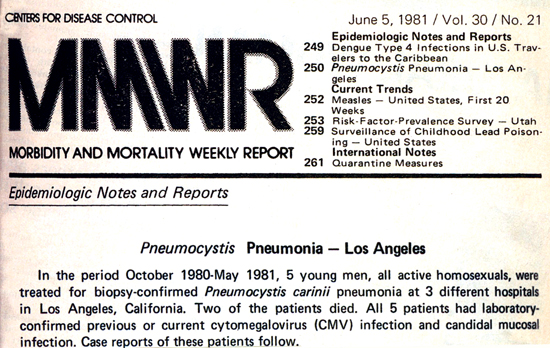
In 1981, the US Centers for Disease Control and Prevention published a report about five previously healthy homosexual men becoming infected with rare forms of pneumonia and cancer. This is the first time the disease, which is now known as AIDS, was recorded.
The disease was initially called "Gay-Related Immune Deficiency" because it was thought to only affect gay men.
It wasn't until mid-1982 that scientists realized the disease was also spreading among other populations, such as hemophiliacs and heroin users. By September that year, the disease was finally renamed to AIDS (acquired immune deficiency syndrome).
It was only in 1983 that the HIV was isolated and identified by researchers at the Pasteur Institute in France. In the same year, it was discovered that women can become infected with AIDS through heterosexual sex.
In 1986, it was found that HIV can be transmitted from mother to child through breast feeding.





