


By 1949 there were fewer than 200 Indians living in Shanghai and none in the police. The Sikhs gradually left the city (all foreigners had to exit China) and the Sikh temples were shut.
Malaysian-born scholar Tan Chung, who taught in India, shares an anecdote in the book about the Sikh turban becoming an "unmistakable symbol of India": At a reception for doctors sent to China by the Indian National Congress party during the Japanese invasion, Mao Zedong was amused to see students of a Chinese art school impersonating Sikhs in a skit.
Tagore, Asia's first Nobel laureate, traveled to Shanghai by sea in 1924. Another scholar, Yuting Lee, writes that Mahatma Gandhi and Tagore were the two Indians the Chinese were most familiar with. And in Tagore's case, even more than his personal connections with China-built over three visits-was his hope for the "rebirth of the East".
But Lee adds that Tagore faced criticism from some Chinese intellectuals for his ideals considered "ineffectual" in the Chinese context back then.
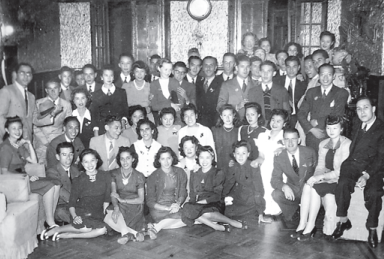
On India's freedom movement, Indian historian Nirmola Sharma writes that the Indian diaspora held meetings in Shanghai from 1942 onward, with fundraising as a key objective.
Stray Birds has been published by Shanghai People's Fine Arts Publishing Co.
Contact the writer at satarupa@chinadaily.com.cn





